Last Updated:

For a long time, there was an unspoken hierarchy in career conversations. The fields considered serious, namely science, technology, engineering, mathematics, occupied one tier. And then there were the creative fields: social media, PR, advertising, marketing, etc. Valuable, sure. But softer. Less rigorous. More intuitive than technical.
What's become clear is that this framing was never really about the work. It was about who was doing it.
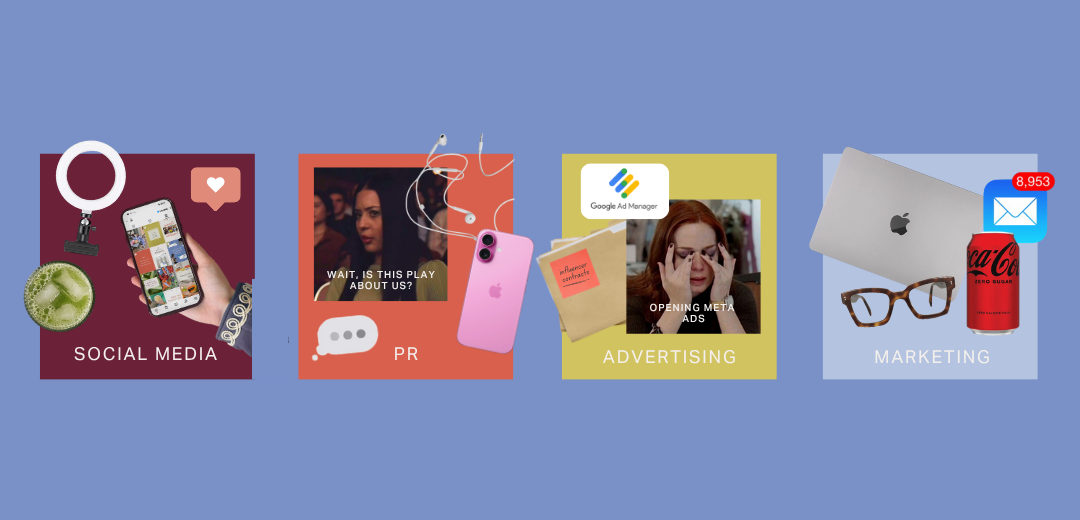
The fields that make up what we are now playfully calling SPAM have quietly become the infrastructure of how modern business actually works. And they’re not just support functions, they’re roaring revenue drivers. The ability to communicate who you are, build trust with a community, and create meaning around what you offer is the whole game in the consumer-driven market.
And the numbers are there to reflect it. The global influencer marketing industry is now worth over $32 billion, up from just $1.7 billion in 2016. The broader creator economy is valued at over $200 billion and projected to exceed $500 billion by 2030. Brands that once treated social and creator-led content as an experimental line item now allocate a large portion of their digital budgets to it. Four in five brands maintained or increased their influencer marketing spend in 2025.
And women have been building that game for decades. Today, roughly 60% of marketing jobs in the U.S. are held by women. They built the strategies, the communities, the voices. They understood, often before anyone else, that people are highly likely to connect with other people instead of with a product.
The reason these fields were underestimated is the same reason they're so powerful for identity-driven business: they require you to know who you are.
What doesn’t get talked about enough, however, is that the work is hard in ways that aren't always visible. Building in public, which means showing up consistently, managing perception, creating content that connects, staying present and relevant across platforms, carries a kind of emotional weight that most job descriptions don't capture. Sustained visibility takes something out of you.
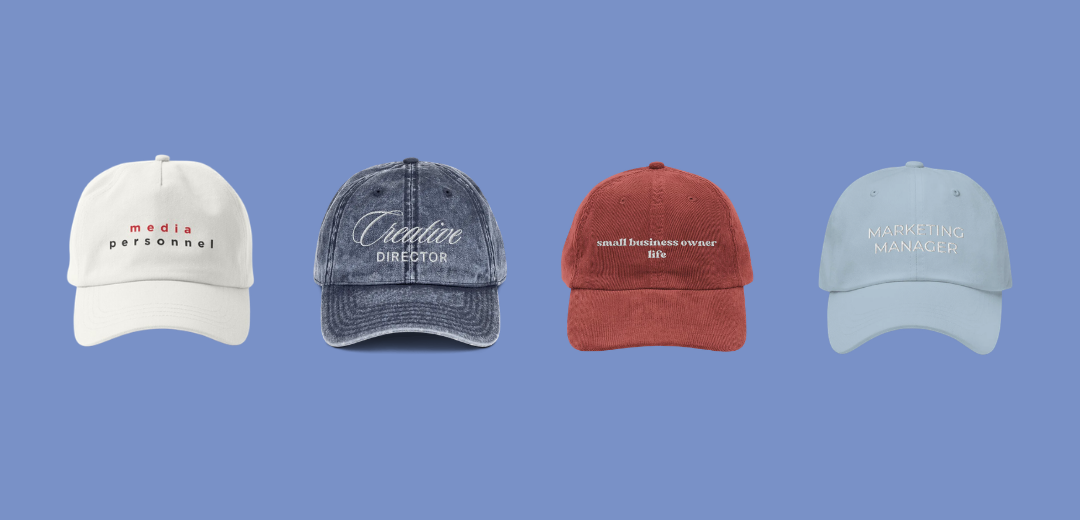
Women in SPAM roles have long known this. They've navigated the pressure to always have something to say, to be on-brand and on-trend while still sounding like a real person, to build community while managing the heavy loneliness that can come with doing creative work. There's a particular kind of exhaustion that comes from doing emotionally resonant work inside systems that measure success in clicks and conversions.
It's the same exhaustion a growing number of women are naming as they step out of traditional employment and into building something of their own. Entrepreneurship is not necessarily easier, but it feels more honest.
And many of them are bringing their SPAM skills with them. Women started nearly 49% of all new businesses in 2024–the highest share ever recorded, up from 29% just five years earlier. Women-owned businesses are growing nearly twice as fast as those owned by men. More than 455,000 women exited the traditional workforce in 2025 alone to step into something more aligned with who they'd become.
Flexibility, autonomy, and alignment are the new drivers. Traditional systems are becoming less compatible with the lives many women actually want to build.
The creator economy validated the instinct that people in SPAM had been following all along. That genuine visibility matters, and trusting community is currency. That the way you communicate who you are is inseparable from the business you're building.
Here's what's interesting about the women who built careers in SPAM: many of them didn't choose it by default. They chose it because it was where their voice fit. Storytelling, community-building, and branding aren't skills you can learn from a manual. They're expressions of how you see the world and what you want to put back into it.
And somewhere along the way, the women who built expertise in those fields realized something: the same instincts that made them good at their jobs could help them build something of their own.
What does it look like when someone who spent years crafting a brand voice for others finally turns that lens on themselves? When the person who built communities around other people's businesses starts building one around their own? In some ways, it tends to look less like a business launch and more like a homecoming. A recognition that the work was always personal, and now it’s powering the right vehicle.
That's the part that rarely gets said out loud: for a lot of women in SPAM, the career was also the rehearsal. Every piece of content they wrote, every campaign they shaped, every community they nurtured was practice for the harder, more vulnerable work of showing up as themselves.
And now, that's exactly what the world is asking for: more authentic presences.

The role hierarchy was always a little backwards. The fields that require you to understand human emotion, build trust at scale, and communicate with clarity and consistency weren't the soft ones. They were the ones that demanded the most of you because they asked you to lead with your perspective, your values, your point of view. For those who chose SPAM careers, that was never a compromise. That was the whole point.